—
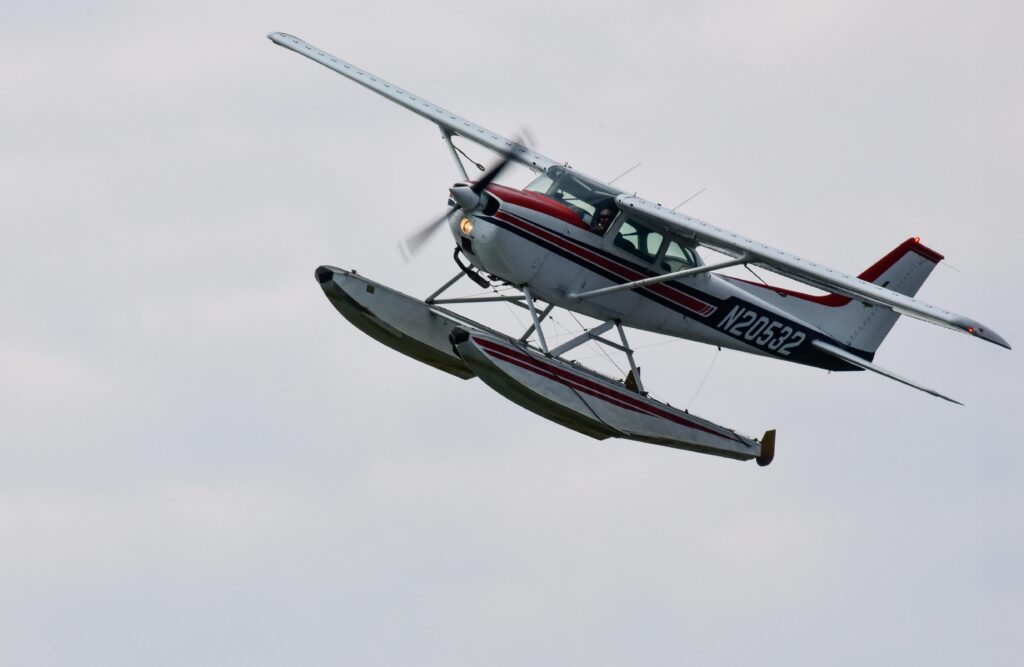
The Cessna 172 Skyhawk holds a revered place in the world of aviation. Known for its unparalleled reliability, ease of handling, and versatility, the Skyhawk has earned its reputation as the go-to aircraft for student pilots, flight schools, and private owners alike. With more than 45,000 units produced since its introduction in 1956, the Skyhawk is the most successful aircraft in history—a true icon of the skies.
A Brief History of the Cessna
The Cessna Aircraft Company introduced the 172 Skyhawk in 1956 as a tricycle-gear variant of the Cessna 170. This design decision was groundbreaking at the time, as tricycle landing gear (with the nose wheel forward of the main wheels) offered easier ground handling and reduced the risk of ground loops. This innovation made the Skyhawk especially appealing to beginner pilots.
The original Cessna 172 was equipped with a 145-horsepower Continental O-300 engine, which provided a cruising speed of about 122 knots (140 mph). Over the years, the Skyhawk has undergone numerous upgrades, including improved engines, avionics, and airframe modifications. Today, the modern 172S model features advanced Garmin G1000 NXi glass cockpits, 180 horsepower from a Lycoming IO-360-L2A engine, and a host of safety enhancements.
Despite these advancements, the fundamental design of the Cessna 172 remains remarkably consistent. This consistency has contributed to its reputation as an aircraft that’s easy to fly, maintain, and trust.
—
Performance and Specifications
The Cessna 172 Skyhawk is a four-seat, single-engine, high-wing aircraft that offers a balance of performance and efficiency. Here are its key specifications:
- Engine: Lycoming IO-360-L2A (180 hp)
- Cruise Speed: ~122 knots (140 mph or 226 km/h)
- Range: ~640 nautical miles (1,185 km) with standard fuel tanks
- Fuel Capacity: 56 gallons (53 usable)
- Fuel Burn: ~8-10 gallons per hour of aviation gasoline (Avgas 100LL)
- Maximum Takeoff Weight (MTOW): 2,550 lbs (1,157 kg)
- Service Ceiling: 14,000 feet
- Stall Speed: ~47 knots (with flaps deployed)
These specifications make the Skyhawk a well-rounded aircraft suitable for a variety of missions, from local flights to cross-country trips.
—
Why Pilots Love the Cessna 172 Skyhawk
1. Ease of Handling
The Skyhawk’s forgiving flight characteristics are a key reason why it’s the most popular training aircraft in the world. The high-wing design provides inherent stability and excellent visibility, while the tricycle landing gear simplifies takeoffs and landings. Additionally, its predictable stall behaviour and straightforward controls make it an ideal choice for student pilots.
Compared to similar aircraft like the Piper PA-28 Cherokee, which has a low-wing design, the Cessna 172 offers better downward visibility and more ground clearance, which many pilots find advantageous during taxiing and rough-field operations. This ease of handling makes the 172 a joy to fly, even for inexperienced pilots.
2. Reliability and Durability
Built to last, the Cessna 172 has earned a reputation for its ruggedness and low maintenance requirements. Many older models, some dating back to the 1960s and 1970s, are still in active use today. With proper care, a Skyhawk can remain airworthy for decades, making it a sound investment for flight schools and private owners alike.
When compared to competitors like the Beechcraft Musketeer, the Skyhawk’s simpler design and more widespread availability of parts contribute to lower operating and maintenance costs. This makes it a favourite for owners who prioritize reliability and ease of upkeep.
3. Versatility
The Skyhawk’s versatility is another reason for its enduring popularity. It’s equally at home being used for flight training, personal travel, aerial photography, or even light cargo transport. With seating for four and a respectable payload capacity, it’s a practical choice for pilots who need an all-around performer.
For comparison, the Diamond DA40, while offering similar capabilities, is often more expensive to purchase and operate. The DA40’s composite construction requires specialized maintenance, whereas the Skyhawk’s aluminium airframe is more straightforward to repair. Pilots often choose the Skyhawk for its cost-effectiveness and adaptability.
4. Advanced Avionics
Modern versions of the Cessna 172, such as the 172S, come equipped with Garmin G1000 NXi avionics. These state-of-the-art glass cockpits provide unparalleled situational awareness, navigation, and communication capabilities. Features like synthetic vision, traffic alerts, and integrated weather systems enhance safety and ease of operation, making the Skyhawk a leader in modern light aviation.
When compared to older models like the Cessna 152, the avionics upgrades in the 172 provide a far superior experience. The advanced systems make cross-country navigation and night flying much more accessible for both new and experienced pilots.
5. Community and Legacy
The Cessna 172 has fostered a global community of pilots, mechanics, and enthusiasts. Its widespread use means that training resources, spare parts, and expertise are readily available. This community support is a significant advantage over less common aircraft, such as the Mooney M20, which may be harder to find parts for or service expertise.
Additionally, the legacy of the 172 as a trusted trainer and dependable personal aircraft has made it a sentimental favourite. Pilots who trained on a Skyhawk often return to it later in their careers for its familiarity and reliability.
—
Applications of the Cessna 172
The Cessna 172’s adaptability has allowed it to thrive in various roles:
- Flight Training: The Skyhawk’s simplicity and stability make it the most popular aircraft for student pilots worldwide. Many aviators earn their private pilot’s license in a Skyhawk.
- Recreational Flying: Private owners love the Skyhawk for its reliability and ease of use. It’s an excellent choice for weekend getaways or scenic flights.
- Cross-Country Travel: With a range of over 600 nautical miles, the Skyhawk is capable of cross-country flights, offering a comfortable and efficient way to travel.
- Aerial Work: From surveying and aerial photography to light cargo transport, the Skyhawk is versatile enough to handle a variety of specialized tasks.
—

Cost of Ownership
Owning and operating a Cessna 172 is relatively affordable compared to other general aviation aircraft. Here’s a breakdown of typical costs:
- Purchase Price: $300,000–$500,000 for new models; $30,000–$200,000 for used models, depending on age, condition, and avionics.
- Fuel Costs: At an average fuel burn of 8-10 gallons per hour and current Avgas prices, you’ll spend approximately $50–$70 per hour on fuel.
- Maintenance: Annual inspections and routine maintenance typically cost $2,000–$5,000 per year, depending on usage.
- Insurance: Insurance premiums range from $800–$2,000 annually, depending on the pilot’s experience and coverage levels.
For those who prefer not to purchase, many flight schools and flying clubs offer Skyhawks for rent at rates of $120–$180 per hour, including fuel.
Example Cost Per Hour
Assuming you fly 200 hours per year, here’s an estimated breakdown of operating costs for a Cessna 172:
- Fuel: At 10 gallons per hour and $6 per gallon, fuel costs total $12,000 annually.
- Maintenance: Routine maintenance and inspections cost around $4,000 annually.
- Insurance: Average annual insurance is $1,500.
- Hangar or Tie-Down: Depending on location, storage can range from $2,000 to $5,000 per year. Let’s assume $3,000.
Adding these together, the total annual cost is approximately $20,500. Dividing by 200 hours, the cost per hour comes out to around $102.50. This is a reasonable estimate, though actual costs may vary based on location, fuel prices, and specific maintenance needs.
For those who prefer not to purchase, many flight schools and flying clubs offer Skyhawks for rent at rates of $120–$180 per hour, including fuel.
—
Modern Variants and Innovations
Cessna continues to refine the Skyhawk, incorporating advanced technologies to enhance safety, performance, and efficiency. Modern features like Automatic Dependent Surveillance-Broadcast (ADS-B), advanced autopilot systems, and integrated glass cockpits keep the 172 competitive in today’s aviation market.
The introduction of the diesel-powered Turbo Skyhawk JT-A model also demonstrates Cessna’s commitment to innovation. This variant, featuring a Continental CD-155 engine, offers increased fuel efficiency and the ability to use jet fuel—a significant advantage in regions where Avgas is expensive or scarce.
—
Conclusion
The Cessna 172 Skyhawk remains the gold standard in general aviation for good reason. Its unmatched combination of reliability, ease of use, and versatility has made it a favorite among pilots and flight schools for nearly 70 years. Whether you’re learning to fly, seeking a dependable aircraft for personal use, or looking for a platform for specialized operations, the Skyhawk delivers exceptional value and performance.
Compared to competitors like the Piper PA-28, Diamond DA40, and Mooney M20, the Skyhawk consistently stands out for its balance of cost, reliability, and versatility. As the most-produced aircraft in history, the Cessna 172 is more than just a plane—it’s a symbol of freedom, adventure, and the enduring spirit of aviation. For pilots around the world, the Skyhawk isn’t just a means of transportation; it’s a trusted companion in the skies.